
A Comprehensive Guide to Raised Bed Vegetable Gardens
Imagine a garden where your vegetables grow in abundance, thriving in nutrient-rich soil, and reaching for the sun. It’s a garden that requires less effort, minimizes weeds, and maximizes your harvest. Welcome to the world of raised bed vegetable gardens, where gardening dreams come true. In this guide, we will explore the benefits, practical tips, and techniques for creating your own raised bed vegetable gardens.
1. Introduction
What are raised bed vegetable gardens?
Raised bed vegetable gardens are a gardening technique that involves planting vegetables in beds elevated from the ground. These beds are usually constructed using wooden planks, bricks, or other materials and are filled with high-quality soil. The height of the beds can vary, but they are typically around 6 to 12 inches tall. Raised beds offer numerous advantages over traditional in-ground gardening methods, making them a popular choice among gardening enthusiasts.
Benefits of raised bed vegetable gardens
- Enhanced soil quality: Raised beds allow you to control the composition of the soil, ensuring optimal conditions for your plants. You can create a nutrient-rich mix tailored to the specific needs of your vegetables.
- Improved drainage: The elevated nature of raised beds promotes better drainage, preventing waterlogging and root rot. Excess moisture can easily drain away, keeping your plants healthy and happy.
- Weed and pest control: By creating defined growing spaces, raised beds make it easier to manage weeds and prevent invasive plants from taking over. Additionally, barriers can be installed to deter pests from accessing your precious crops.
- Easy access and maintenance: Raised beds provide a convenient working height, reducing strain on your back and knees. Tending to your plants becomes a comfortable and enjoyable experience.
2. Getting Started
Selecting the right location
Before constructing your raised beds, it’s essential to choose the right location for your vegetable garden. Consider the following factors:
- Sunlight exposure: Most vegetables require at least six hours of direct sunlight per day. Select a location that receives ample sunlight to ensure optimal growth.
- Accessibility: Place your raised beds in an easily accessible area, allowing you to tend to your plants and harvest your crops with ease.
Choosing the materials for your raised beds
When it comes to materials for your raised beds, you have several options to consider:
- Wood: Cedar and redwood are popular choices due to their durability and natural resistance to rot. Avoid treated wood, as it may contain chemicals that can leach into the soil.
- Bricks or concrete blocks: These materials create sturdy and long-lasting raised beds. However, they may retain more heat than other options, so consider the climate in your region.
3. Building Your Raised Beds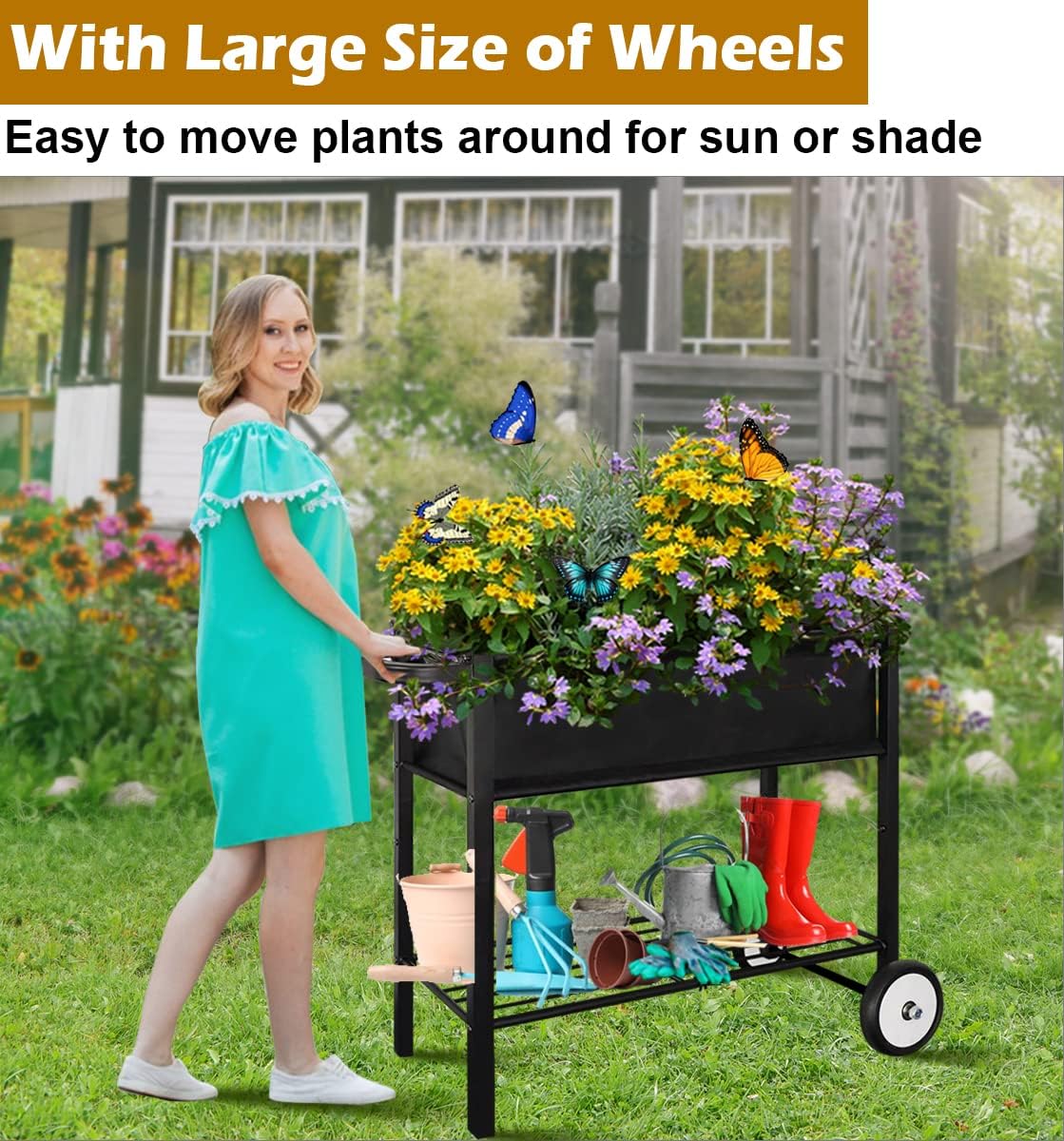
Design considerations
Before constructing your raised beds, take a moment to plan their design:
- Size and shape: Determine the dimensions and shape of your raised beds based on the available space and your gardening goals. Keep in mind that wider beds are easier to maintain and provide better access to plants.
- Accessibility: Leave sufficient pathways between the beds to allow easy movement and access for maintenance tasks.
Construction techniques
When building your raised beds, follow these general steps:
- Clear the area: Remove any grass, weeds, or debris from the chosen location.
- Level the ground: Ensure the area is level by removing or adding soil as necessary.
- Build the frame: Use your chosen materials to construct the frame of the raised bed, ensuring sturdy corners and adequate support.
- Line the bottom: To prevent weeds from growing up into the bed, consider placing a layer of landscape fabric or cardboard at the bottom.
4. Soil Preparation and Planting
Preparing the soil
The success of your raised bed vegetable garden hinges on the quality of the soil. Follow these steps to prepare your soil:
- Remove existing vegetation: Clear the bed of any weeds or grass.
- Loosen the soil: Use a garden fork or tiller to loosen the soil in your raised bed. This helps with aeration and root penetration.
- Add organic matter: Incorporate compost, well-rotted manure, or other organic matter into the soil to improve its structure and fertility.
Selecting and planting vegetables
One of the joys of raised bed gardening is the ability to grow a wide variety of vegetables in a compact space. Consider the following tips:
- Choose vegetables suited to your climate and the available sunlight.
- Opt for companion planting to maximize space and deter pests. For example, planting marigolds alongside tomatoes can help repel harmful insects.
- Follow proper spacing guidelines to ensure each plant has enough room to grow.
- Utilize vertical gardening techniques, such as trellises or stakes, to support vining plants and make the most of vertical space.
5. Maintenance and Care
Watering and fertilizing
- Regularly monitor the moisture levels of your raised beds and water accordingly. Aim to keep the soil evenly moist but not waterlogged.
- Consider installing a drip irrigation system or soaker hoses to provide consistent watering while minimizing water waste.
- Apply organic fertilizers or compost tea to replenish nutrients in the soil throughout the growing season.
Pest control and weed management
- Inspect your plants regularly for signs of pests or diseases. Early detection allows for prompt intervention and minimizes damage.
- Use organic pest control methods such as companion planting, natural predators, and organic sprays to deter pests without harming beneficial insects.
- Mulch your raised beds to suppress weed growth and conserve soil moisture. Organic mulches, such as straw or wood chips, work well in vegetable gardens.
6. Harvesting and Beyond
Tips for a bountiful harvest
- Harvest your vegetables at the peak of their ripeness for the best flavor and nutritional value. Different vegetables have different signs of readiness, so familiarize yourself with their individual characteristics.
- Continuously monitor your garden for mature produce to avoid overripening and ensure the plants keep producing.
Extending the growing season
- Consider using season-extending techniques like cold frames, row covers, or hoop houses to protect your plants from early frosts or extend the harvest into cooler months.
- Experiment with cool-season crops that thrive in lower temperatures, allowing you to enjoy fresh produce for an extended period.
7. Conclusion
Raised bed vegetable gardens offer an array of benefits for gardening enthusiasts of all skill levels. By creating controlled environments, these gardens provide optimal growing conditions, enhance accessibility, and simplify maintenance. From selecting the right location to nurturing your plants and reaping a bountiful harvest, raised bed gardening empowers you to create a flourishing vegetable garden like never before.
In conclusion, embrace the world of raised bed vegetable gardens, where your gardening endeavors become a joyous journey towards abundant harvests and vibrant produce. Start your raised bed adventure today and unlock the secrets of a thriving vegetable garden.
Click Here and get your gardening groove on today!
FAQs (Frequently Asked Questions)
Q1: How deep should a raised bed be for vegetable gardening?
A raised bed for vegetable gardening is typically 6 to 12 inches deep. This depth allows for sufficient root development and soil retention while still providing good drainage.
Q2: Can I use any type of soil for my raised bed vegetable garden?
While you can use different types of soil, it’s crucial to create a nutrient-rich blend for optimal plant growth. Mix compost, well-rotted manure, and other organic matter with your existing soil or use a high-quality garden soil mix.
Q3: Are raised bed vegetable gardens suitable for small spaces?
Absolutely! Raised beds are an excellent solution for small spaces, as they maximize growing area by utilizing vertical space and offer better control over soil quality. You can even create raised beds on patios, balconies, or rooftops.
Q4: How often should I water my raised bed vegetable garden?
The frequency of watering depends on various factors such as climate, soil type, and plant needs. However, as a general guideline, aim to keep the soil consistently moist by watering deeply once or twice a week.
Q5: Can I grow root vegetables in raised beds?
Yes, you can grow root vegetables in raised beds. Make sure to choose deep-rooted varieties and provide enough depth in the raised bed to accommodate their growth. Carrots, radishes, and beets are popular choices for raised bed gardens.
Remember, successful gardening is a delightful blend of passion, patience, and nurturing. With raised bed vegetable gardens, you have the power to create a thriving oasis where fresh and flavorful vegetables flourish. Happy gardening!
Note: The FAQs are for informational purposes only and do not constitute professional gardening advice. Consult local experts or extension services for personalized guidance.